Showing posts with label Dog food. Show all posts
Showing posts with label Dog food. Show all posts
Wednesday, August 29, 2018

Thursday, July 19, 2018
Toys for Shelter Dogs – How One Arizona Businessman Makes a Difference!
As the owner of a pet waste removal company, people often ask me why I got into the business. I usually just say that I love dogs and I saw a great business opportunity in a niche market. But truth be told, I was simply burnt out of working for other people and had declared that “I would rather pick up dog s*** for a living than do this anymore!”. Never one to be all bark and no bite, I followed through with my declaration and began building my business.

Certainly, I had plenty of doubters when I got into this business and I was constantly questioned. Thankfully, my sarcastic attitude and a desire to prove them all wrong got me through it...
“Why would you want to do that?”
Yes, Susan, I’ve always dreamt of picking up dog poop for a living.
“Ugh, the smell must be horrible! How do you do it?”
Yes, Wendy, it’s dog poop and it smells bad. I use a scooper and a bucket.
“Do you really think you can make money doing something that I MAKE my kids do?”
No, Bob, I just want to relive my childhood when my dad MADE me do it too.
I started off with a small handful of customers on the weekends which brought in a little bit of extra money to help out with the bills. Even as my number of customers began to grow, I honestly wasn’t sure if it would ever be more than a part-time side job to supplement my income. But word continued to spread and within a year of starting the business, it was already time to make the leap to full-time. It is safe to say that I severely underestimated the demand for this type of service!
Now with a thriving business underway, I find myself in a great position to give back to the furry friends who helped me get to where I am today. There are so many dogs in shelters, rescues, and foster homes that just need a loving family to call their own and I want to help them all! I began using some of the company profits to purchase toys and treats for the dogs at Maricopa County Animal Care and Control. I remember being so excited about purchasing 150 dog-friendly tennis balls and bringing them to the dogs!

As I walked through the facility, handing out a ball to each dog in their kennel, I realized that I would not have enough. There were over 300 dogs being housed at this one facility alone! It was then and there that I realized that I had to do more.
Having spent the last year building a network of animal lovers, I knew I had a platform to make a bigger difference. This is when I started the Poodini Pals Toy Drive. I asked my customers to donate any toys, treats, blankets, leashes, or other supplies that could help the dogs feel more comfortable in the shelter and ultimately give them a better chance of being adopted. My customers answered the call and I quickly collected several trash bags worth of supplies.
I began contacting local businesses to see if I could put up a poster and leave a donation bin. Fortunately enough, several businesses jumped at the opportunity to help my cause. Word began to spread and there was a flood of donations coming in.
At my next visit to the shelter, I had a full truck load of supplies with me!

If you would like to support Mike's efforts, please contact him at toydrive@poodiniaz.com to see how you can help!
Thanks to the love and generosity of so many compassionate people, I have been able to continue to supply the shelter with much needed supplies on a regular basis. Though managing the toy drive can be quite laborious at times, if it helps even one dog to be adopted, then it is totally worth it! I feel very fortunate to be able to help and honestly wish that I could do more.
Dogs have been good to me, and I can only hope to be just as good to them!
Mike Casten
Dog lover and owner of Poodini Pet Waste Removal
Poo happens...We make it disappear! Visit us at https://www.poodini.com/
Monday, July 2, 2018
Pet Safety for the 4th of July Celebration
Just a few more days and it's the 4th of July! Everyone around the US is looking for some way to enjoy the holiday. Whether you plan a get-together at your home or away from home, please take a few moments to plan for your pets this 4th of July.
Unlike people, most pets do not enjoy the whistle and bang of the fireworks to celebrate our Independence day. Although not all pets get scared of the noise, many do feel uncomfortable with the celebrations. The 5th of July is historically the busiest day for shelters around the country. This is due to the fact that many animals are so frightened by the noise of the firework displays that they run away from home.
1. Make sure your tags are up to date!
One of the most basic precautions you can take is to ensure your pet's tags are up to date. Especially if you are traveling, check to make sure your pet's tag has your current mobile number on it. You may also wish to include your email address. This ensures anyone will be able to contact you in case your pet is lost during the hustle of the 4th Celebration.
If your pet is microchipped, you also want to go to the hosting site and review your contact information. Your pet's collar can be lost, but the microchip is with him/her at all times!

2. Bring Your pet inside!
This may seem obvious, but if you have a pet door that allows your pet to go in and out, you need to make sure it is closed. You may not think your pet will run away, but animals that are frightened will flee from what they perceive to be the danger zone. So if your pet feels afraid at your home, it may try to escape the scary situation by running away. Many pets that are otherwise comfortable at home have jumped fences or escaped enclosures during the 4th of July.

3. Create a safe comfortable place!
Close off the pet door and make a comfortable place in a quiet room for your pet. You may even want to play some quiet background noise to drown out some of the noise. Even if you are home, your presence alone may not be enough to keep your pet comfortable. The banging and wheezing of the firework displays in the neighborhood is very scary! You can provide some distraction by offering a favorite treat or chew toy, but don't be surprised if your pet isn't interested during the hight of the celebration time. Many pets are rather afraid of the loud and unusual noises. Allow your pet to hide under a blanket or furniture. Don't try to console them, it is best to allow them to find a comfortable spot where they want to 'hide.'
Unless your pet chooses to be close to you, don't try to pet or hold your pet. Petting actually enforces the anxiety, because your 'approval' signals the pet that he should be afraid. Be a calm and soothing presence that encourages your pet, but don't overdo the attention to the anxious behavior.
4. Leave your pet at home!
Taking your best friend to the festivities may not be a good idea if there are going to be firework displays. Even if your dog has never shown any panic around loud noises, the combination of loud bangs and wheezes and the smell of the burning sulfur, together with the hustle of the party is hardly a fun activity for any dog. it's great to take your dog with you to all kinds of activities, but 4th of July celebrations are likely the least favorite on your pet's list.
The safest and best bet for celebrating this 4th of July with your pets is to exclude them from holiday festivities. Instead, find a safe, secure spot in the home for your pets while you go out and enjoy the loud bangs, bright lights and spectator fun. Your pets will appreciate the quiet a lot more than you’ll enjoy the noise.
5. Provide additional comfort for anxious pets!
If you have noticed your dog is especially anxious during 4th of July fireworks (or at New Years), you may wish to take additional precautions for your pet. You can talk to your vet in regards to a sedative that can help alleviate some of the stress. I personally prefer natural ways to help my dogs with anxiety. You can use CBD oils or a Thunder Jacket, both are holistic ways to relieve stress in pets.
Thank you for coming by and reading my blog. I would love to see your comments on this subject.
Keep Your Paws safe and secure during the holiday!
Thank you,
Bee Walker
Unlike people, most pets do not enjoy the whistle and bang of the fireworks to celebrate our Independence day. Although not all pets get scared of the noise, many do feel uncomfortable with the celebrations. The 5th of July is historically the busiest day for shelters around the country. This is due to the fact that many animals are so frightened by the noise of the firework displays that they run away from home.
1. Make sure your tags are up to date!
One of the most basic precautions you can take is to ensure your pet's tags are up to date. Especially if you are traveling, check to make sure your pet's tag has your current mobile number on it. You may also wish to include your email address. This ensures anyone will be able to contact you in case your pet is lost during the hustle of the 4th Celebration.
If your pet is microchipped, you also want to go to the hosting site and review your contact information. Your pet's collar can be lost, but the microchip is with him/her at all times!
2. Bring Your pet inside!
This may seem obvious, but if you have a pet door that allows your pet to go in and out, you need to make sure it is closed. You may not think your pet will run away, but animals that are frightened will flee from what they perceive to be the danger zone. So if your pet feels afraid at your home, it may try to escape the scary situation by running away. Many pets that are otherwise comfortable at home have jumped fences or escaped enclosures during the 4th of July.

3. Create a safe comfortable place!
Close off the pet door and make a comfortable place in a quiet room for your pet. You may even want to play some quiet background noise to drown out some of the noise. Even if you are home, your presence alone may not be enough to keep your pet comfortable. The banging and wheezing of the firework displays in the neighborhood is very scary! You can provide some distraction by offering a favorite treat or chew toy, but don't be surprised if your pet isn't interested during the hight of the celebration time. Many pets are rather afraid of the loud and unusual noises. Allow your pet to hide under a blanket or furniture. Don't try to console them, it is best to allow them to find a comfortable spot where they want to 'hide.'
Unless your pet chooses to be close to you, don't try to pet or hold your pet. Petting actually enforces the anxiety, because your 'approval' signals the pet that he should be afraid. Be a calm and soothing presence that encourages your pet, but don't overdo the attention to the anxious behavior.
4. Leave your pet at home!
Taking your best friend to the festivities may not be a good idea if there are going to be firework displays. Even if your dog has never shown any panic around loud noises, the combination of loud bangs and wheezes and the smell of the burning sulfur, together with the hustle of the party is hardly a fun activity for any dog. it's great to take your dog with you to all kinds of activities, but 4th of July celebrations are likely the least favorite on your pet's list.
The safest and best bet for celebrating this 4th of July with your pets is to exclude them from holiday festivities. Instead, find a safe, secure spot in the home for your pets while you go out and enjoy the loud bangs, bright lights and spectator fun. Your pets will appreciate the quiet a lot more than you’ll enjoy the noise.
5. Provide additional comfort for anxious pets!
If you have noticed your dog is especially anxious during 4th of July fireworks (or at New Years), you may wish to take additional precautions for your pet. You can talk to your vet in regards to a sedative that can help alleviate some of the stress. I personally prefer natural ways to help my dogs with anxiety. You can use CBD oils or a Thunder Jacket, both are holistic ways to relieve stress in pets.
Thank you for coming by and reading my blog. I would love to see your comments on this subject.
Keep Your Paws safe and secure during the holiday!
Thank you,
Bee Walker
Tuesday, April 3, 2018
Why I Love Making my Own Dog Treats
Most dog owners enjoy giving treats to their pets. Some may use them for rewards during training, while others simply love to give a treat to spoil their pet. There are many choices when it comes to buying dog treats and high quality treats can be very expensive. Recently, I started to make my own dog treats and found out it is very easy and inexpensive and my dogs love them. However, making my own treats isn’t just less expensive, it also offers me the opportunity to carefully choose the ingredients I want to use. I can even add herbs and oils that have holistic properties. If you would like to make your own dog treats, here are some tips to help you get started.

1. Choose Ingredients carefully
The beauty about making your dog treats at home is that you are able to carefully choose ingredients based on your dog’s preferences or food sensitivities.
Making your own treats is a great way to include vegetables and herbs you may otherwise not feed. I love making dog biscuits with shredded carrots and spinach. I use blue berries and yogurt in one of my dog treats and even made up a recipe for fresh breath cookies that includes mint and parsley!
If your dog has a food sensitivity, it is easy to substitute ingredients. I use brown rice flour in a lot of my recipes, which is a great substitute for wheat flour. I have used applesauce instead of eggs if a pet had reactions to eggs.

2. Add Natural Remedies to Heal
There are many ingredients that I use in my homemade dog treats that help with my dog’s health. For example, to help with arthritis I add turmeric to my dog treats, it has anti-inflammatory properties. You can also use flaxseed, as it also helps with inflammation, in addition to providing the needed nutrients for a healthy coat and skin.
If my dog has a stomach upset, or a spurt of diarrhea, I make some delicious dog biscuits with canned pumpkin. Pumpkin also helps with constipation.
When I want to use holistic oils, such as CBD oil, which helps with pain or anxiety, I choose a no-bake recipe to ensure the oil does not loose it’s effectiveness due to high temperatures in baking.

3. Avoid harmful ingredients
The benefit of homemade dog treats is that they contain no artificial flavors, chemicals or preservatives. Be sure to choose only dog-approved ingredients, and never use any ingredient that contains artificial sweeteners. Also some ingredients that are healthy for humans, such as garlic, are toxic for dogs, so be sure to research new ingredient before using them in your treats.
I make sure that I use only natural unsweetened applesauce in my recipes. Many regular applesauce may include sweeteners, which can be harmful to dogs. The same applies to peanut butter. PB is one of the most used ingredients in homemade dog treats. Be sure to use a natural peanut butter and never use anything that has the words “light” on it, as this is a sure indicator that the item was made with artificial sweetener.

4. Make small patches and store treats properly
Homemade dog treats are healthy and contain no preservative. It is therefore important to store them in an airtight container in your refrigerator or freeze them. I prefer to make smaller patches that I can use up within one of two weeks. Never leave your homemade dog treats at room temperature, as they will quickly mold!
 |
| visit our website for information on our books |
5. Have fun and think outside the box
Once I started making my own dog treats, I realized that there are a lot of great recipes available on the internet and I started to experiment with my own. There are many ways to spoil your dog, from making baked biscuits and non-bake treats to pupsicles, which are frozen dog treats. If you enjoy cooking or baking for your family, you will love making your own dog treats.
When I started to share my recipes online, through my blog, I got a lot of positive feedback and I published my own dog treat recipe book. Check out some of my previous posts for recipes:
Applesauce Cookies
Cheesy Spinach Cookies
Applesauce Cookies
Cheesy Spinach Cookies
By Birgit Walker
Birgit is the author of two books Chew On This - Homemade Dog Treat Recipes, and Keep Your Paws on the Road - A Practical Guide to Traveling with Dogs. She also writes a blog and offers a lively Facebook group that shares dog travel adventures. Visit her on her website at ModernCanineServices.com
Friday, January 19, 2018
Alternative Natural Herbal Supplements to Treat Pain and Inflammation in Your Dog
My sweet dog Jaeger is getting older. He is 12 now and has had some arthritis and joint pain. I have been giving him glucosamine and chondroitin supplements over the past years to help with these.

More recently, Jaeger was showing signs of increased pain and discomfort and I took him to the vet. The vet confirmed that Jaeger had arthritis and prescribed Carprofen, a non steroidal anti-inflammatory drug (NSAIDs). After just two days on this medication, I could tell Jaeger was not doing well. He became increasingly depressed, would hide in corners, and did not want to eat at all. I called the vet and he recommended we take Jaeger off the medication and see if the symptoms where caused by it or by the pain. Within a day of being off the medication, Jaeger became more alert and started to eat again. The vet suggested we try a different kind of medication, this time Meloxicam. Jaeger seemed to do better on the new medication. He was eating and drinking normally and had regular body functions. However, within being on the medication for 2 weeks, I noticed he was having difficulty walking. He seemed dazed and had a hard time getting up. He would wobble and could hardly assume the position to do his business. At times, he would walk someplace and then just stand there, as though he did not know what to do.
I decided to take Jaeger off the medication and within a few days, he was back to normal. Now it was clear to me that I had to find alternatives to NSAID medications for him. I began to research natural supplements and reached out on several online groups to see what others were doing for their dogs.
Curcumin is the chemical found in turmeric, that is the reason for the anti-inflammatory properties. When you look for supplements, the names turmeric and curcumin are often used interchangeably.
For more information on this amazing supplement and details about the Swiss research on it's effects on dogs, go to Springtime Inc: about-boswellia
CBD stands for cannabidiol and is a compound found in hemp. CBD is a cannabis compound that has significant medical benefits, but does not make people or animals feel “stoned.” Scientific and clinical research shows CBD as an alternative treatment for a wide range of conditions, including arthritis and chronic pain. To find out more about this amazing supplement online, go to Axis Hemp Company. The owner of Axis Hemp Company says: " CBD is a great source for aiding dogs with arthritis, we have seen the benefits for many pets after adding it as a supplement."

More recently, Jaeger was showing signs of increased pain and discomfort and I took him to the vet. The vet confirmed that Jaeger had arthritis and prescribed Carprofen, a non steroidal anti-inflammatory drug (NSAIDs). After just two days on this medication, I could tell Jaeger was not doing well. He became increasingly depressed, would hide in corners, and did not want to eat at all. I called the vet and he recommended we take Jaeger off the medication and see if the symptoms where caused by it or by the pain. Within a day of being off the medication, Jaeger became more alert and started to eat again. The vet suggested we try a different kind of medication, this time Meloxicam. Jaeger seemed to do better on the new medication. He was eating and drinking normally and had regular body functions. However, within being on the medication for 2 weeks, I noticed he was having difficulty walking. He seemed dazed and had a hard time getting up. He would wobble and could hardly assume the position to do his business. At times, he would walk someplace and then just stand there, as though he did not know what to do.
I decided to take Jaeger off the medication and within a few days, he was back to normal. Now it was clear to me that I had to find alternatives to NSAID medications for him. I began to research natural supplements and reached out on several online groups to see what others were doing for their dogs.
Alternative natural herbal supplements to treat pain and inflammation in dogs
Here are 4 alternative natural herbal supplements I have found. The most important aspect of these 4 is that they have no severe side effects. As with any new supplement, it is important to start with small quantities and to gradually increase the dose. Make sure you follow the dosage based on your dog's weight.1. Turmeric and Curcumin
Turmeric is a spice made from the turmeric plant and is the most widely used herb for arthritis and joint pain. It has been used in India for centuries to treat many ailments and has been studied in both humans and animals. It is an anti-inflammatory and also enhances circulation in the body. In addition, turmeric also benefits liver functions.Curcumin is the chemical found in turmeric, that is the reason for the anti-inflammatory properties. When you look for supplements, the names turmeric and curcumin are often used interchangeably.
2. Fish or Krill Oil
Fish oils are used for their high omega-3 content. They contain EPA and DHA, two essential fatty acids. Many people with arthritis take fish oil supplements. EPA is the ingredient that is the anti-inflammatory agent in fish oil. If you, like me, are concerned about the mercury, Krill oil may be a better option for your dog. Krill are a small shrimplike planktonic crusacean and are said to contain much less mercury. Their oil is equally high in the EPA and DHA.3. Boswellia
Boswellia is also known as Franincense. It is a resin extract from a tree bark. Research has shown that boswellic aids a normal inflammatory response by blocking enzymes that then inhibit the synthesis of leukotrienes. It has also been shown to support healthy cartilage in the joints.For more information on this amazing supplement and details about the Swiss research on it's effects on dogs, go to Springtime Inc: about-boswellia
4. CBD Tinctures
CBD stands for cannabidiol and is a compound found in hemp. CBD is a cannabis compound that has significant medical benefits, but does not make people or animals feel “stoned.” Scientific and clinical research shows CBD as an alternative treatment for a wide range of conditions, including arthritis and chronic pain. To find out more about this amazing supplement online, go to Axis Hemp Company. The owner of Axis Hemp Company says: " CBD is a great source for aiding dogs with arthritis, we have seen the benefits for many pets after adding it as a supplement."
Precautions
There are a lot of other natural supplements out there and I am still continuing to research them. As with any anti-inflammatory agent, remember that they prolong time it takes for the blood to clot, so if you give them to your pet, be sure to tell your veterinarian. If your dog is undergoing surgery, it is important to stop use of any anti-inflammatory treatment at least 5 days prior to the surgery!Disclaimer Statement:
This article includes information regarding supplements for dogs with arthritis or joint pain. I am not a veterinarian, nor do I claim to have any special knowledge of any of these products. I have used these supplements for my dog with positive results. I am not being paid, nor did I receive any free or discounted products to include them in my blog.Saturday, December 9, 2017
Homemade Dog Treat Recipe - Applesauce Cookies
Here is another easy to make dog treat recipe, just in time for the holidays!
The Applesauce Cookies aren't just yummy, but also healthy!
A short note about ingredients:
Make sure you use unsweetened applesauce and regular peanut butter. NEVER use "lite" or "sugar-free" peanut butter for your dog treats, as they contain artifical sweeteners that are toxic to dogs.
If your dog has a wheat sensitivity, use brown rice flour instead of wheat flour.


.

The Applesauce Cookies aren't just yummy, but also healthy!
A short note about ingredients:
Make sure you use unsweetened applesauce and regular peanut butter. NEVER use "lite" or "sugar-free" peanut butter for your dog treats, as they contain artifical sweeteners that are toxic to dogs.
If your dog has a wheat sensitivity, use brown rice flour instead of wheat flour.

Ingredients:
2 cups of oats
1 cup of whole wheat flour
1/2 cup peanut butter
1 cup of organic unsweetened applesauce
¼ cup coconut oil
1 teaspoon of baking powder

Directions:
Preheat oven to 350° F (176° C)
Combine all ingredients in a bowl and mix thoroughly.
Melt the coconut oil before adding it to the mixture.
Knead dough until smooth. Add additional applesauce if the
dough is too dry, or add additional flour if the dough is too
soft.
Roll dough to ¼ inch on floured surface, use cookie cutters to
make shaped cookies, or make small dough balls.
Arrange cookies on lined cookie sheet.
Bake for 20-30 minutes until lightly browned.

Let the treats cool off completely, before you feed them!
Remember homemade treats don't have any preservatives in them. You can store in airtight container for up to 2 weeks.
I hope you enjoy baking for your four-legged friends. Comment below if you like the post and let me know how your cookies turned out.
Until next time: Keep Your Paws on the Road!
Bee Walker
Tuesday, November 28, 2017
2017 Holiday Gift Guide for Dog Lovers
Here are the best holiday gifts for people who love pets and the best holiday gifts for pets. Every single one of these items is on my wish list!
Check them out and let me know: Which one is your favorite and what’s on YOUR wishlist this year? You never know, Santa might be reading the comments!
Disclaimer: This blog contains affiliate links. What does that mean? If you click on any of the items below and make a purchase, you won’t pay a cent more, but this blog earns a small commission to help keep the lights on. Thank you for your continued support!
Super cute Yoga Pants with doggie prints - Our book about traveling with dogs - Eddie Bauer sheets.


 Keepsake Dog Print Frame - Diamond Paw Necklace - Dog Selfie Blanket
I will share my best gifts for your pets Holiday guide next week.
Thank you for stopping by, and keep your paws on the road!
Bee Walker


Check them out and let me know: Which one is your favorite and what’s on YOUR wishlist this year? You never know, Santa might be reading the comments!
Disclaimer: This blog contains affiliate links. What does that mean? If you click on any of the items below and make a purchase, you won’t pay a cent more, but this blog earns a small commission to help keep the lights on. Thank you for your continued support!
1. Gifts for Dog Lovers


I will share my best gifts for your pets Holiday guide next week.
Thank you for stopping by, and keep your paws on the road!
Bee Walker


Tuesday, November 21, 2017
Homemade Dog Treats: Cheesy Spinach Cookies
So with the long holiday weekend coming up, I figure I will share one more dog treat recipe. This one is super easy to make, you will likely have all the ingredients in your home already.
Green Cheese Balls
🐾🐾🐾🐾🐾🐾🐾🐾🐾🐾🐾🐾🐾🐾🐾🐾


With about a tablespoon of dough, make dough balls. You can make smaller cookies for small dogs or larger treats for bigger dogs. I make mine different sizes, since I have 3 different size dogs.
Arrange treats on greased cookie sheet.

Bake for 20-30 minutes until lightly browned.
Green Cheese Balls
🐾🐾🐾🐾🐾🐾🐾🐾🐾🐾🐾🐾🐾🐾🐾🐾

Ingredients:
1 cup frozen spinach
1 cup oat meal
1 cup mozzarella cheese
1 cup of whole wheat flour
1 tablespoon coconut oil
water as needed

Directions:
Thaw out spinach.
Preheat oven to 350° F (176° C)
Combine all ingredients in bowl and mix well. Add the water slowly, as needed, to create a sticky dough
.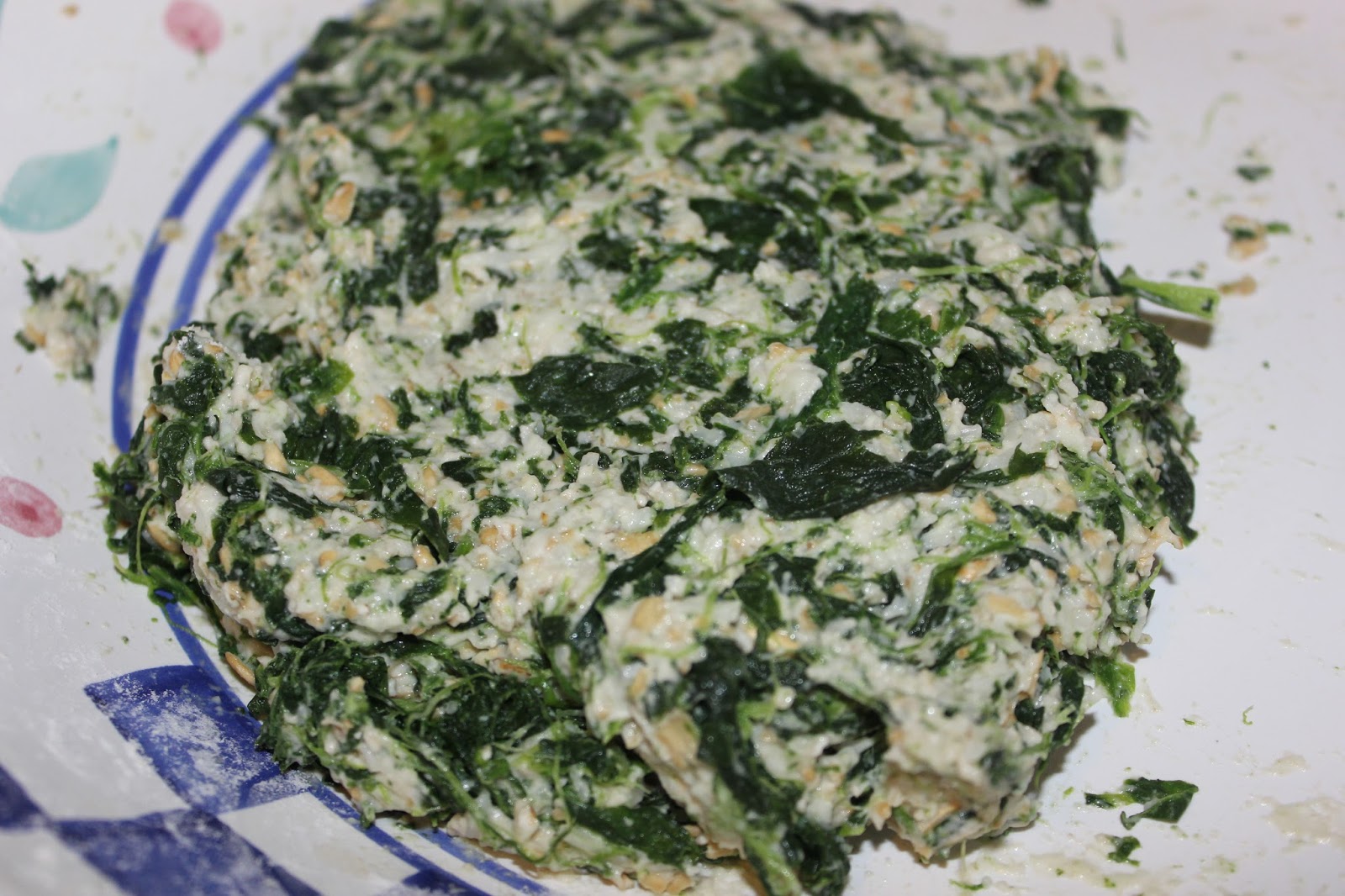
With about a tablespoon of dough, make dough balls. You can make smaller cookies for small dogs or larger treats for bigger dogs. I make mine different sizes, since I have 3 different size dogs.
Arrange treats on greased cookie sheet.

Bake for 20-30 minutes until lightly browned.
Let treats cool completely, before you feed them!
Store in airtight container for 1 week or freeze.
🐾🐾🐾🐾🐾🐾🐾🐾🐾🐾🐾🐾🐾🐾🐾🐾
🐾🐾🐾🐾🐾🐾🐾🐾🐾🐾🐾🐾🐾🐾🐾🐾
These are so yummy, I ate some of them myself before they cool of completely. The above amounts makes about 12 cookies.
I hope you enjoy baking for your dogs! Stop by for more pawlishes recipes soon.
Until next time: Keep Your Paws on the Road.
Bee
Friday, November 17, 2017
Pawlishes Thanksgiving Chew Stuffers for Your Dog
With Thanksgiving just around the corner, I thought I share one of my favorite dog treat recipes with you. This is a quick and easy way to make a chew toy or already eaten soup bone a more interesting chew toy. I call mine twice nice bones, since I use the eaten out marrow bones.
Once your dogs have chewed up and eaten out the marrow bones, you can fill them again and again with this easy to make stuffing. If you don't use soup bones for your dog, you can use the stuffing in any dog approved chew toy, like a Kong.

Ingredients:
4 ripe bananas (or a jar of organic banana baby food)
1/2 cup peanut butter
Preparations:
Peel and mash bananas (or use baby food). Mix with peanut butter until smooth.
Stuff mixture into hollow bones or other chew stuffer toys.
Freeze overnight.
Serve frozen treats.


For more homemade dog treat recipes, check out my previous posts:
homemade-pill-pockets-for-your-dog
3-favorite-homemade-dog-treat-recipes
Happy Thanksgiving to you and yours!
Thank you for stopping by, if you like the post, please leave comment below.
Until Next time: Keep Your Paws on the Road
Saturday, August 26, 2017
Happy National Dog Day 2017!
Today is National Dog Day - are you celebrating with your pet?
August 26, 2017 - what are your plans for making this a special day for your dog? Looking for things to do with your pet? Here are some ideas for making it the perfect celebration.
1. Get him a special treat
Dogs love treats. You can even let your dog pick out his own. Take Fido to the local pet store and see which treats he gravitates to. It's a good idea to try out different types of chew toys or chew foods for your dog. But don't let him touch all the food items in the shelves, once he had it in his mouth, you may have to buy it.

2. Make your own dog biscuit
Try out a new recipe for homemade dog treats. They are easy to make and you can be sure it has the best ingredients. You can make dog biscuits, dog ice cream, or even bake him a muffin. There are a lot of fun ways to make your own dog treats. See our previous blogs for some recipe ideas here.

3. Take him to the dog park or dog beach
Most dogs love to play with other dogs. Find a local dog park and let your Fido interact with some of his friends. Be sure your dog is up to date on all his vaccinations before you take him to such a public place. Our dogs love off leash parks and beaches.

4. Go for a walk or hike
If off-leash parks are not his thing, take your dog for a long walk or a hike. The most wonderful thing for any dog is to be with his owner. So whether it is National Dog Day, or any other day, enjoy time with your loving pet!
Monday, August 14, 2017
Just in Time for the Busiest Travel Days of the Year, Comes a Book that Changes Traveling with Dogs!
FOR IMMEDIATE RELEASE
More and more Americans take their dogs with them on vacation each year. Hotels, Resorts, and Vacation Rentals offer dog-friendly accommodations, and there are many books, online websites, and apps that help the dog loving traveler with finding the perfect place to stay. But how do you train your dog to be a well-behaved dog that is comfortable with all the excitement of travel?
Phoenix, Arizona – August 15, 2017 – “Keep Your Paws on the Road” is a new book written by Master Dog Trainer Jim Walker and his wife Birgit Walker. Both share the love of traveling with their pets. They have combined their expertise in dog training with their experience in traveling with dogs.
The book offers dog training exercises that teach behavior any well-mannered dog should know when traveling. From proper restaurant behavior to respecting open doorways, the exercises are sure to turn the reader and their pet into trusted traveling companions. Each chapter covers a new aspect of traveling and the information is sure to help any dog owner prepare their dog-friendly adventures.
“As we travel across the country, I often notice other dog owners struggling with their dogs”, Jim Walker explains, “from this came the idea of writing a book that would make traveling with dogs easier. It has been my experience with training dogs, that owners enjoy taking their dogs more places if the dogs are well behaved.”
The official release is scheduled for November 2017 through Amazon and other distributors, but the book is already available for pre-sale on the authors’ website at ModernCanineServices.com.

About the Jim and Birgit Walker
Jim and Birgit have been traveling with their dogs for over 20 years. Outside of traveling, Jim has trained dogs in Arizona, California, and Hawaii. They now offer dog training services through their company Modern Canine Services in Phoenix, Arizona. Birgit also authors a blog and newsletter and offers a lively Facebook group that shares dog travel adventures.
For more information about KEEP YOUR PAWS ON THE ROAD, please visit ModernCanineServices/books or contact BIRGIT WALKER at (602) 688-4060. You can also email the publisher under ChewOnThisBooks@gmail.com
###
Monday, July 31, 2017
Crate Training 101: 5 Easy Steps to Make Your Dog Comfortable in the Crate or Pet Carrier
We highly recommend crate training for our customers. It can be very helpful during housebreaking, is needed when you want to transport your dog via airplane or train, and can be very useful for transporting your pet in the car. Another aspect of crate training is training a small dog to be comfortable in a pet carrier. In this blog post, we cover 5 easy steps to follow in the training process, so your dog learns to associate the crate, or the pet carrier with a comfortable place to be.
Training your dog to see the crate, or the carrier as a safe and comfortable place is very important. Follow the 5 easy exercises below, and your dog will learn to love the crate (carrier).

As with any training, make sure you set up a nurturing and supportive training environment. When you first introduce the crate, or the pet carrier, just allow the dog to explore it on his own terms. To do so, set up the carrier or crate inside your home, close to the area your dog normally sleeps. Put a used dog bed or blanket inside. Don't use a new one, because you want your dog's familiar smell inside the crate/carrier.
You can place a few of your dog's favorite treats near and inside the crate/carrier and allow the dog to sniff around it for the rest of the day.
Please do not lock your dog inside the crate or carrier right away. Leave the door open, so the dog can enter and exit on his own terms.
The next day, play a fun game with your dog by tossing her favorite toy inside the crate or carrier. If the dog is still hesitant to go inside the crate/carrier, place the toy just inside the entrance, so the dog only has to reach in. As she gets more comfortable, you can place the toy (or treat) further toward the inside of the crate/carrier until the dog is comfortable going in and out of the crate/carrier.
Use a command, like "kennel" every time you toss the toy or treat inside the carrier/crate. This will teach your dog to go into the crate/carrier on command. Don't push or physically drag your dog into the crate/carrier. Allow the dog to go in on her own terms.
Ensure the crate is not making a lot of noise. It is helpful to place it on a carpeted area, and for real timid dogs, take the door off completely in the first few stages of crate training.
After your dog is comfortable to walk in and out of the crate, start to feed him inside for several days in a row. Put his food in the far back of the crate/carrier. If you feed dry food, you can even put the food into the carrier or crate without a bowl. Don't place any water inside, it usually just makes a mess.
Please be sure to start your crate/carrier training early on. Give your pet several weeks before you actually travel with him in the crate/carrier. Now that he has eaten his meals inside the crate, you can start putting the door back on, and teach him to stay inside the crate/carrier for a few minutes at a time.
Say the command, and toss a treat inside the crate/carrier. Gently close the door when he is inside. Wait for a few moments, then let him come back out.

Start using the crate overnight, or when you leave the home for short periods of time. If you are training a dog to love the pet carrier, start taking your dog with you on short trips. Have her spend some time in the carrier while you carry it around. Remember, your dog will have to stay in the carrier for longer, if you will travel with her. Condition her to stay quiet and calm.
I hope the information provided is helpful to you or someone you know. Please share the post to your Facebook feed, and comment below on your experience with the pet carrier or crate.
Until next time: Keep Your Paws on the Road!
Bee
Training your dog to see the crate, or the carrier as a safe and comfortable place is very important. Follow the 5 easy exercises below, and your dog will learn to love the crate (carrier).

1. Start out on the Right Paw
As with any training, make sure you set up a nurturing and supportive training environment. When you first introduce the crate, or the pet carrier, just allow the dog to explore it on his own terms. To do so, set up the carrier or crate inside your home, close to the area your dog normally sleeps. Put a used dog bed or blanket inside. Don't use a new one, because you want your dog's familiar smell inside the crate/carrier.
You can place a few of your dog's favorite treats near and inside the crate/carrier and allow the dog to sniff around it for the rest of the day.
Please do not lock your dog inside the crate or carrier right away. Leave the door open, so the dog can enter and exit on his own terms.
2. Make it a Game
The next day, play a fun game with your dog by tossing her favorite toy inside the crate or carrier. If the dog is still hesitant to go inside the crate/carrier, place the toy just inside the entrance, so the dog only has to reach in. As she gets more comfortable, you can place the toy (or treat) further toward the inside of the crate/carrier until the dog is comfortable going in and out of the crate/carrier.
Use a command, like "kennel" every time you toss the toy or treat inside the carrier/crate. This will teach your dog to go into the crate/carrier on command. Don't push or physically drag your dog into the crate/carrier. Allow the dog to go in on her own terms.
Ensure the crate is not making a lot of noise. It is helpful to place it on a carpeted area, and for real timid dogs, take the door off completely in the first few stages of crate training.
3. Food makes the heart go fonder
After your dog is comfortable to walk in and out of the crate, start to feed him inside for several days in a row. Put his food in the far back of the crate/carrier. If you feed dry food, you can even put the food into the carrier or crate without a bowl. Don't place any water inside, it usually just makes a mess.
4. Positive association
Please be sure to start your crate/carrier training early on. Give your pet several weeks before you actually travel with him in the crate/carrier. Now that he has eaten his meals inside the crate, you can start putting the door back on, and teach him to stay inside the crate/carrier for a few minutes at a time.
Say the command, and toss a treat inside the crate/carrier. Gently close the door when he is inside. Wait for a few moments, then let him come back out.

5. Consistency over time teaches
Start using the crate overnight, or when you leave the home for short periods of time. If you are training a dog to love the pet carrier, start taking your dog with you on short trips. Have her spend some time in the carrier while you carry it around. Remember, your dog will have to stay in the carrier for longer, if you will travel with her. Condition her to stay quiet and calm.
I hope the information provided is helpful to you or someone you know. Please share the post to your Facebook feed, and comment below on your experience with the pet carrier or crate.
Until next time: Keep Your Paws on the Road!
Bee
Thursday, April 20, 2017
Freshen you dog's breath with these homemade dog treats!
Most dogs have bad breath. I don't know if it is the things they eat or just the fact they don't brush their teeth, but I seldom meet a dog without bad breath.
There are a lot of products out there to help with the oral hygiene for your dogs, but here is one you can make yourself:
Parsley and Mint Dog Treats (breath fresheners)

Ingredients
-
2.5 cups whole wheat flour
-
1 cup water
-
1 T vegetable oil
-
1/2 cup quick oats
-
2 T fresh mint, chopped
-
1/3 cup fresh parsley, chopped
- 10-12 drops green food coloring
-
Preheat oven to 350 F and line a baking sheet with parchment paper.
-
In a bowl, combine the flour, oats, oil, water, and herbs. Mix well.
-
Add food coloring, then knead the dough until color is evenly dispersed.
-
Roll out the dough on parchment paper, using extra flour as needed so it doesn't stick.
-
Roll out about 1/4 to 1/2 thickness.
-
Use a cookie cutter to cut out shapes.
-
Place on lined baking sheet and bake for 35 minutes.
- Let treats cool before serving.
- Treats may be stored in an air tight container for 2 weeks, or in the freezer for up to 3 months.
- I would love to hear your comments and feedback regarding our homemade dog treats. Please comment below, or share the post on your FB page!
- Until next time; Keep Your Paws on the Road!
- Bee
Modern Canine Services is a participant in the Amazon Services LLC Associates Program, an affiliate advertising program designed to provide a means for sites to earn advertising fees by advertising and linking to products on Amazon.
Friday, March 3, 2017
What is your dog chewing on today?
Dogs need to chew – it’s how they clean their teeth and also a way to release stored up energy.
So you can give them stuff to chew on, or they will find it for themselves. If you leave it up to your pooch, he may choose your carpet or your furniture. Having your dog chew up things in your home is frustrating and can get expensive, so it is a lot cheaper to go to the pet-store and find some chew toys and chew foods for him.
I often hear people say that their dog doesn’t like to chew, even though they provide many toys for him to do so. If this is the case with your dog, read on, because every dog needs to chew to keep his teeth and gums healthy. You may just need to find the right thing he likes to chew on.
Also there can be other underlying behavior issues that lead a dog to chew through your door, but in this blog post I want to address the dog’s need to chew – not behavior issues such as separation anxiety or other issues.
 |
| Apollo and his toy collection |
With this in mind, I’d like to start by reviewing the difference between chew toys and chew food.
Chew toys are toys that encourage to chew, but are made from materials that the dog cannot and should not eat, on the other hand, chew foods are digestible items that are made to last for some time to allow the dog to chew and break off parts. Chew foods are safe to eat and are digestible.
It is important for you to be clear on the difference, as you need to make sure your dog does not ingest parts of his chew toys. As a general rule, if your dog destroys his chew toys quickly, they are either too small for him, or not suitable. It is important that you chose the right kind of chew toy to keep your pet save. Children’s toys are often rated by age, which indicates that certain toys can become a choking hazard for younger children; similarly dog toys are sometimes rated for strong chewers, but unfortunately this is not as widely used as it is with children’s toys. Please be sure to always supervise your dog when you first introduce a new toy or food to him. Once you learn that a particular item is safe, you can leave it out for the dog to go to as he chooses.
Chew foods should last for several days, so if your dog eats up the chew food within a few minutes, it is too small and does not allow for consistent chewing. It may be a great treat for him, but you still need to provide something he can actually chew on for longer periods of time.
We usually recommend that you have several different types of chew toys and food out for your dog. Here are some examples for each category:
Chew toys:
Ropes, hard rubber and nyla bones

Chew food:
Deer antler, natural bones, raw hide, bully sticks and compressed dried bones.

Other considerations:
There are a lot of choices at the pet store when it comes to buying chew toys or chew foods. Beware that many of the flavored items can actually stain your carpets, as the dog chews on them. Dog toys can also be very expensive. If you do not have a lot of money to spend on these items, consider the following. Our dogs love rope toys and you can easily make your own, by buying rope at the home improvement store and tying knots into the ends. We also get natural marrow bones at the grocery or butcher, and they cost only a fraction of what you pay for a manufactured chew bone at the pet store.
Every dog is different. So you may need to try out different types of chew toys or chew foods to find the ones he likes. If your dog does not chew at all, consider having his teeth checked. He could have an infected tooth or gums that hurt him.
You may also like this article about making your own stuffed chew bones.
I hope you enjoyed this article - please comment below, we love to hear from you! If you like more information visit our FREE resources from our website.
Until next time: Keep your Paws on the Road!
Bee
Subscribe to:
Posts (Atom)
-
 With the summer vacation time approaching, you are planning your next getaway and may want to take your dog with you. Statistics show mor...
 -
 As the owner of a pet waste removal company, people often ask me why I got into the business. I usually just say that I love dogs and I saw...
 -
 Our senior dog Jaeger has arthritis in his front legs, so he gets turmeric and yucca powder to help with the inflammation. I also have him...
 -
 Just a few more days and it's the 4th of July! Everyone around the US is looking for some way to enjoy the holiday. Whether you plan a g...
 -
 It is so heartbreaking, I see so many Facebook posts on lost pets every day. Thank goodness many dog owners now have their pets mic...
 -
 With summer vacations at it’s peak, I decided to interview a few Canine Travel Experts. I've asked them to tell me about their mai...
 -
 A Guest Blog by TeriAnn Tate I’m sure you’re all saying, “ poisonous t oads in Arizona and Southern California….whatcha talking about...
 -
 So it's been hot here in Arizona! The long summer months make it hard to do things with your dog. If you want to take your four-legged b...
 -
 You leave your house and your dog is barking up a storm and won’t stop all day. You come home after work and your dog has destroyed the b...
 -
 My sweet dog Jaeger is getting older. He is 12 now and has had some arthritis and joint pain. I have been giving him glucosamine and chondro...